



Fire Hydrant Servicing
Annual maintenance and servicing of your fire hydrant is recommended, and the responsibility of the landowner. Make sure the fire service has access to a reliable water supply in the event of a fire – it will save lives.
Get a Fire Hydrant Service and Maintenance Quote
Our engineers handle your quote directly, and we'll reply within 24 hours.
Compliant Servicing
Emergency Support
Coverage Available
Inspection & Maintenance
Compliant Servicing
Emergency Support
Coverage Available
Inspection & Maintenance
Fire Hydrant Testing & Maintenance You Can Trust
Comprehensive Hydrant Inspections
Routine testing and inspections carried out to help ensure hydrants remain operational and compliant.
Hydrant Flow & Pressure Testing
Performance testing to verify adequate water supply for firefighting and emergency response.
Planned Maintenance Programmes
Scheduled servicing designed to identify issues early and reduce the risk of hydrant failure.
Experienced Fire Safety Engineers
Servicing and maintenance delivered by qualified engineers with extensive fire protection expertise.
The Role of Fire Hydrants in Fire Safety
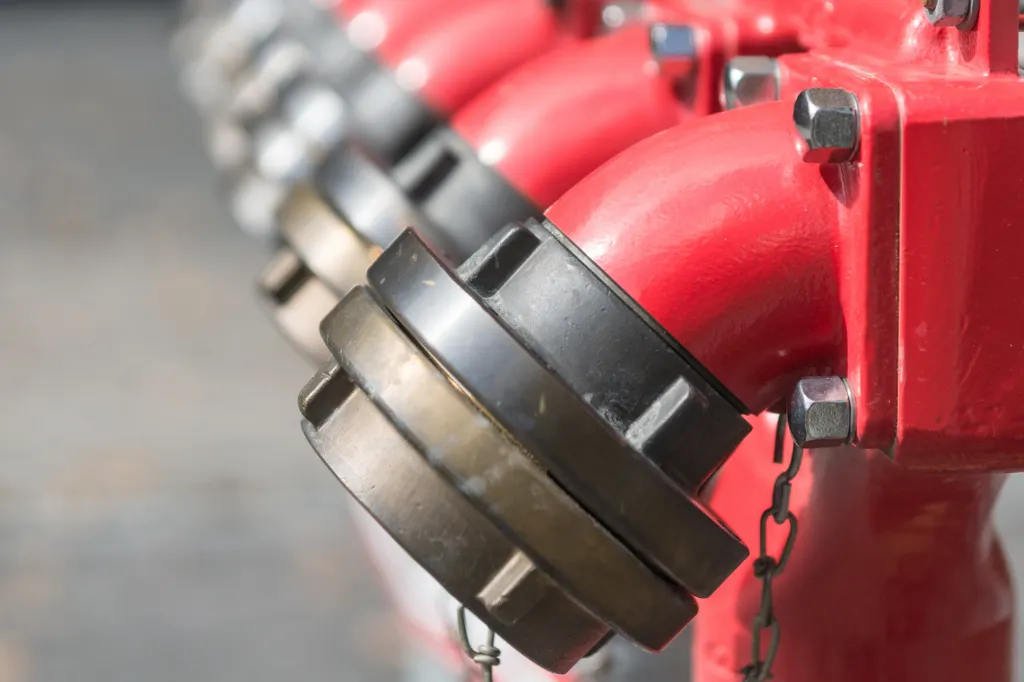
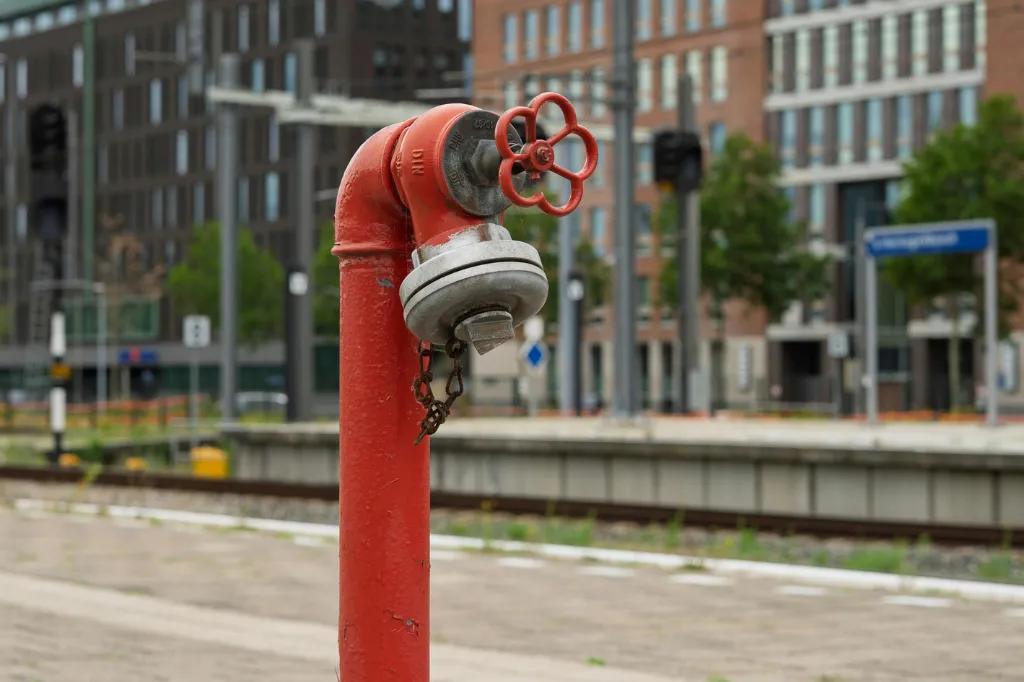
A fire hydrant serves as a critical access point for firefighters, supplying water in emergencies. It can be either underground or a visible above-ground pillar. Hydrants are vital for active firefighting, so they must remain unobstructed and properly maintained.
The presence of a fire hydrant plays a crucial role in the effectiveness of firefighting efforts, making it a vital component of public fire safety systems. This also highlights the importance of fire hydrant flow testing as a key aspect of fire protection.
Trusted Fire Hydrant Specialists
Inspection, testing and maintenance delivered to recognised industry standards across the UK.



Fire Hydrant Servicing
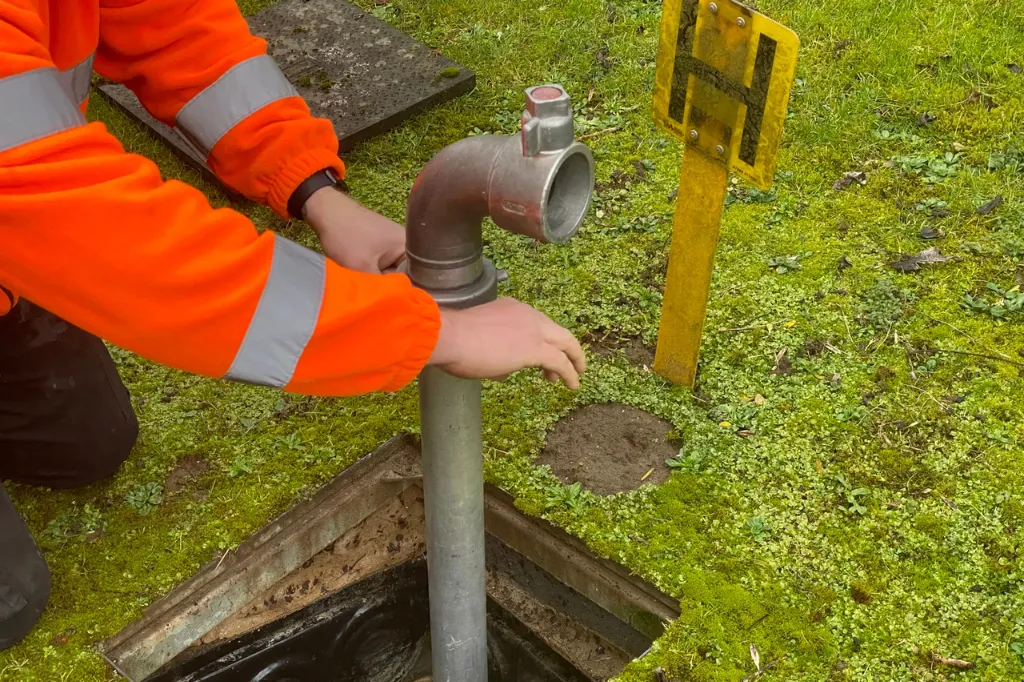
Fire hydrant maintenance includes flow testing and routine upkeep.
Regular inspections are crucial to ensure hydrants operate properly in emergencies, guaranteeing their reliability and effectiveness when needed most.
Whether it’s a residential, commercial or industrial building, or simply a high-risk area, fire hydrants play a critical role in fire safety.
- Pre-test Inspection
- Static Pressure Measurement
- Flow Rate Measurement
How Often Should Fire Hydrants Be Serviced?
In the UK, fire hydrants should undergo a comprehensive inspection and basic maintenance at least once a year. Regular servicing helps identify potential issues and keeps hydrants in optimal working condition.
The inspection and maintenance of fire hydrants is guided by key industry standards and regulations, including BS 9990:2015 and The Building Regulations 2010 (Part B: Fire Safety), which set out requirements relating to firefighting water supplies and fire safety provisions.
Flow tests, which confirm the hydrant’s ability to deliver the necessary water volume and pressure, will be conducted every service visit.
If you need your fire hydrant serviced and flow tested, OHEAP Fire and Security are here to help. We can also advise on repairs and flow reductions where necessary. Contact us today for a quote to get your fire hydrant serviced and tested.
- Pre-test hydrant inspections
- Static pressure measurements
- Flow rate testing
Environments That Rely on Fire Hydrants
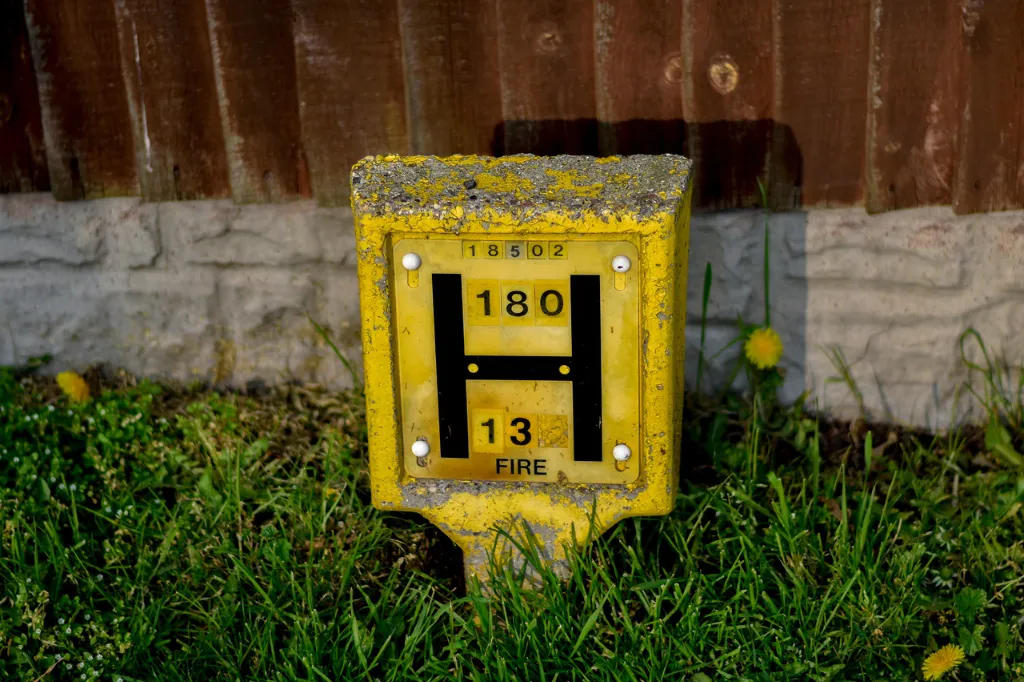
Fire hydrants are often part of the background infrastructure on large or high-occupancy sites, but they become critical the moment firefighters need access to water. Industrial estates, warehouses, schools, hospitals, business parks and residential developments all depend on hydrants being easy to locate, clear of obstruction and capable of performing under pressure. That level of readiness only comes from regular inspection and testing. A hydrant may look fine externally while still having issues with access, damage, leakage, low flow or reduced pressure. OHEAP Fire and Security’s fire hydrant servicing helps identify those problems early.
Why Businesses Choose OHEAP
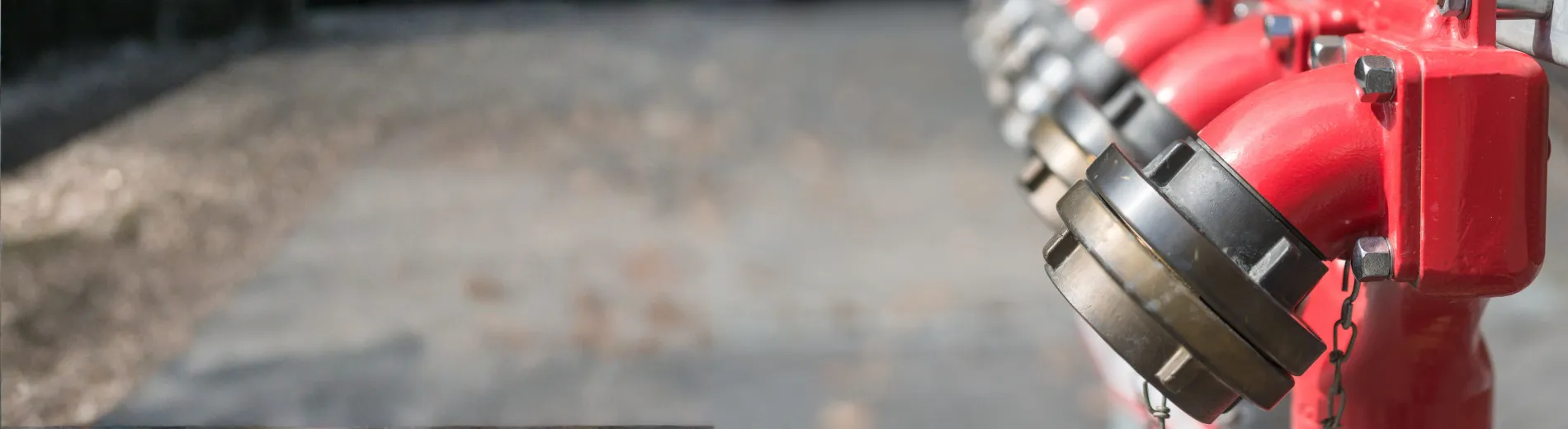
Fire hydrants form part of the fixed fire protection measures found across commercial, industrial and public sector sites. At OHEAP Fire and Security, we help organisations keep their fire hydrants compliant, operational and ready for emergency use. Whether supporting a single site or a multi-location estate, we provide practical advice, detailed reporting and dependable service to help you meet your fire safety responsibilities.
Fire Hydrant FAQs
How often should fire hydrants be inspected?
Inspection frequency can vary depending on the hydrant, its location and how the site is managed. A hydrant on a busy industrial estate may be exposed to different conditions than one serving a residential development. In general, fire hydrants should undergo a comprehensive inspection and basic maintenance at least once a year.
What does a fire hydrant inspection involve?
A fire hydrant inspection typically involves checking for damage, leaks, corrosion, accessibility issues and missing components. Flow and pressure testing may also be carried out to verify that the hydrant can provide an adequate water supply for firefighting operations.
Why is fire hydrant maintenance important?
Hydrants can be affected by weather, ground movement, vehicle activity and general wear over time. Maintenance helps identify problems such as damaged covers, restricted access, seized valves or reduced water performance before they interfere with emergency response.
Who is responsible for maintaining fire hydrants?
Responsibility usually sits with the person or organisation managing the site. This may be a property owner, facilities manager, managing agent, landlord, housing provider or duty holder, depending on the location and ownership of the hydrant.
Can damaged or faulty fire hydrants be repaired?
Many hydrant defects can be repaired, although the work required will depend on the issue found. Common problems may include damaged covers, leaking fittings, seized valves, missing components or poor access. After inspection, the findings will show what action is needed.
Are fire hydrants required on all sites?
Not every site will require fire hydrants. Requirements can vary depending on the size of the site, building use, fire risk, occupancy and the availability of nearby water supplies. Hydrants are most common on larger commercial, industrial, residential and public sector sites.
-
 What our clients think
“The service was of a high standard. Everything was handled thoroughly and professionally, and I felt confident in the team’s approach from start to finish.”
Whitemeadow

Fire Protection & Security Services Brochure
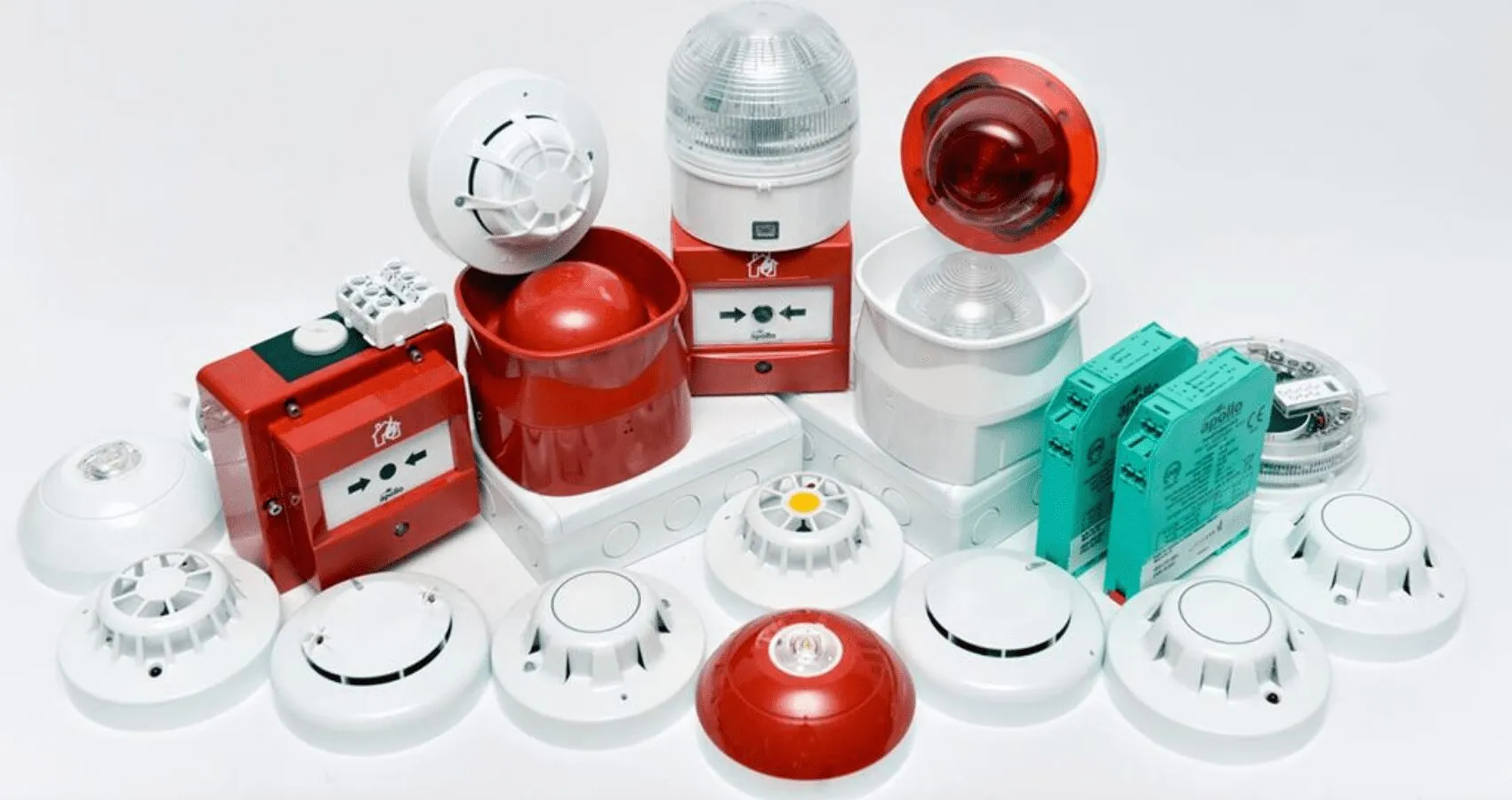
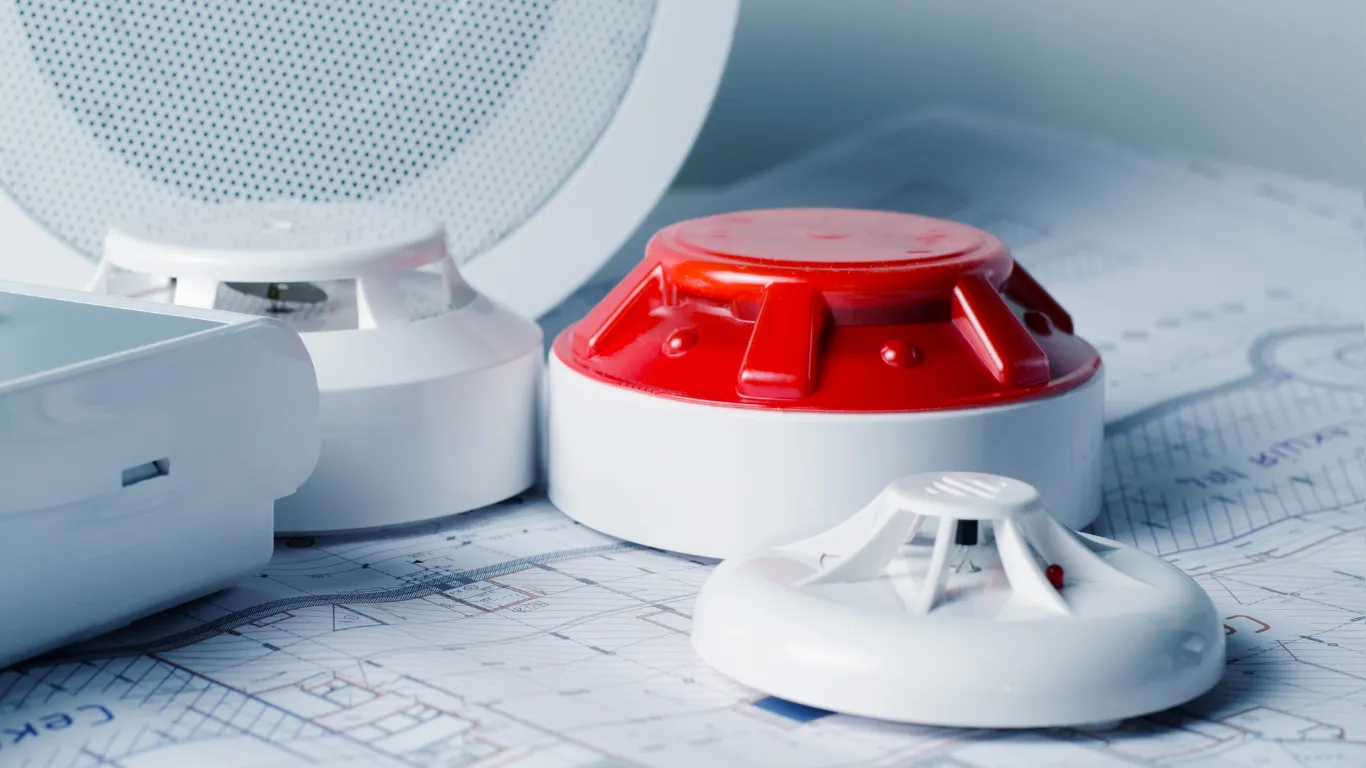
Fire Hydrants are just one part of protecting your premises. Download our Fire Protection & Security Services brochure to explore the fire protection, security and compliance services available from OHEAP.

Let's build a safer, smarter future
Our friendly team are on hand Monday to Friday from 8am to 5pm to help with any queries or enquiries you may have.