



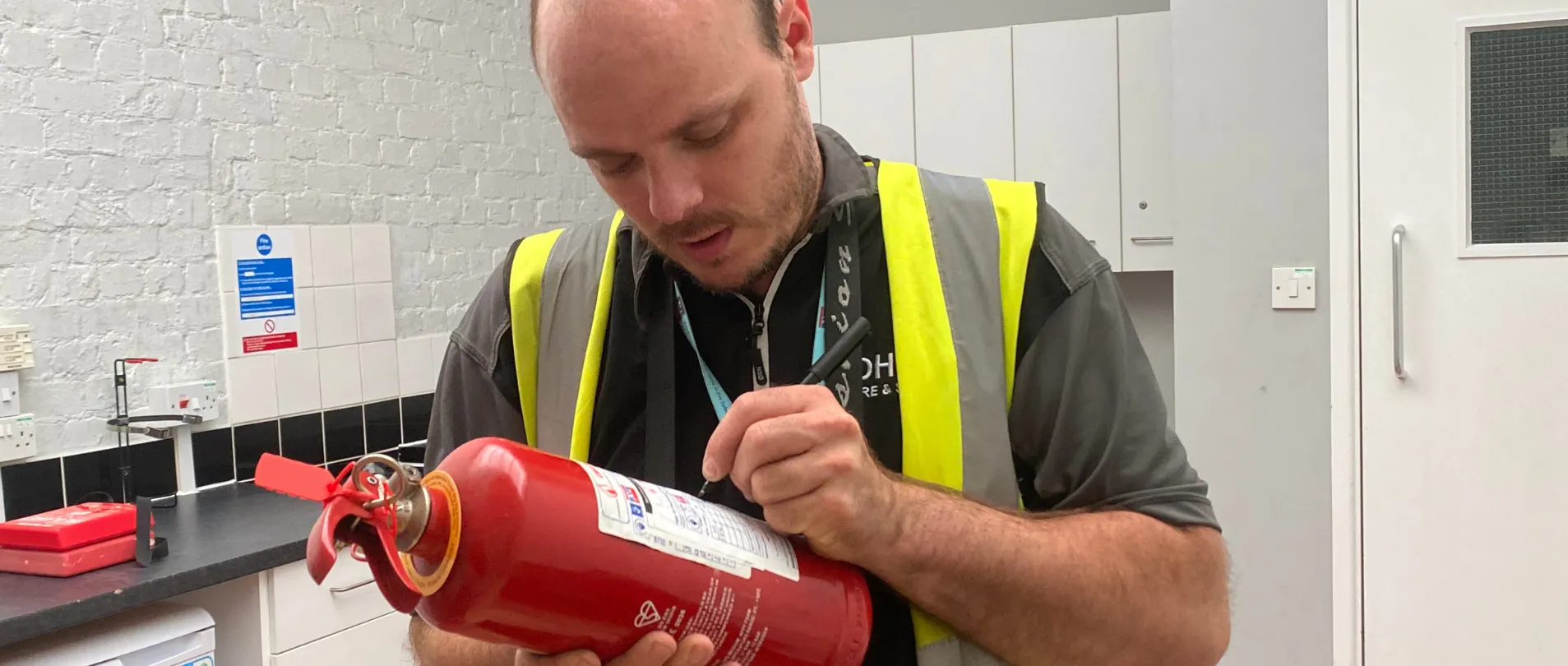
Water Fire Extinguishers
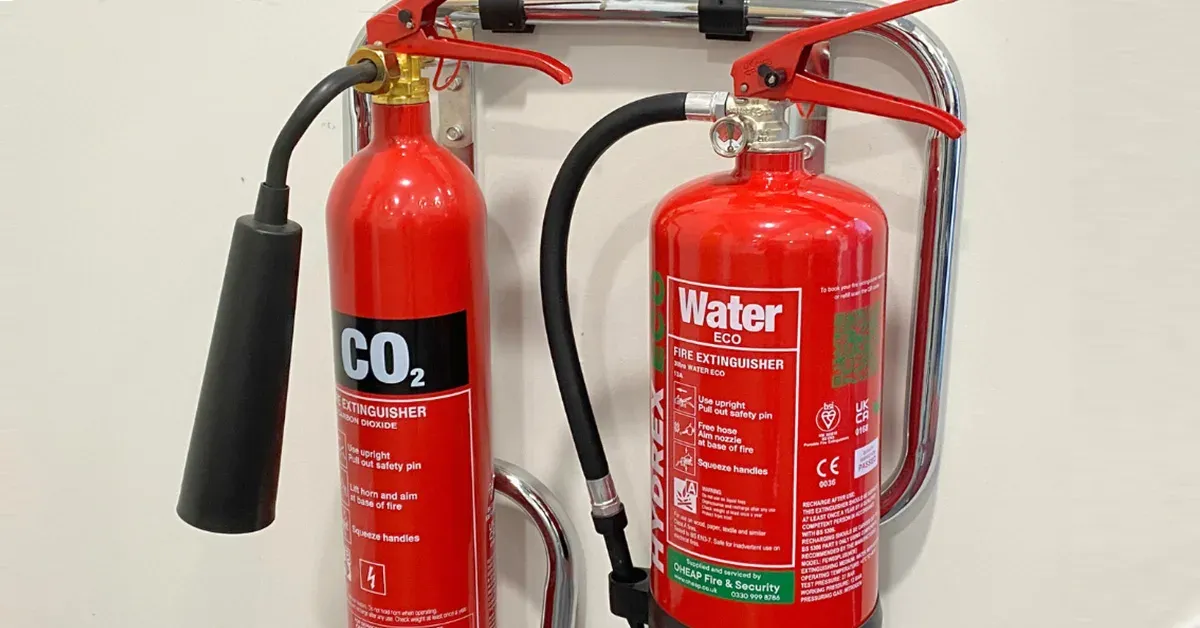
Environmentally-friendly protection against Class A fire risks within your environment.
Request a Call Back
Our engineers handle your quote directly, and we'll reply within 24 hours.
Ensure your water fire extinguisher is always ready when you need it by checking it regularly. Monthly in-house checks should be conducted by you. We can then ensure that it is sited correctly, still has an anti-tamper device fitted and any gauge is reading correctly.
Water Fire Extinguisher FactSheet

Fire Class
A water extinguisher is suitable for Class A fires.

Suitability
Water extinguishers are suitable for environments which store large quantities of combustible materials, such as warehouses, storage units and factories. Please consult your Fire Risk Assessment to see if they are suitable for your premises.

Servicing
Water extinguishers need to be serviced annually.
Water Fire Extinguisher FAQs
What is a water fire extinguisher?
A water fire extinguisher is a type of fire extinguisher that is filled with water and is used to extinguish Class A fires, which are fires that involve ordinary combustibles such as wood, paper, cloth, rubber, and many plastics. Water fire extinguishers are not suitable for Class B or Class C fires, as they could potentially make the fire worse.
Water fire extinguishers work by cooling the burning material, which reduces its temperature below the ignition point, causing the fire to go out. They should only be used on small fires that have not spread to electrical equipment or other flammable materials, as the water can conduct electricity and cause a shock hazard.
In summary, water fire extinguishers are effective on Class A fires, but it is important to choose the appropriate type of fire extinguisher for each type of fire to ensure the safety of those fighting the fire.
What is a water fire extinguisher used for?
A water fire extinguisher is specifically designed to extinguish Class A fires, which are fires that involve ordinary combustibles such as wood, paper, cloth, rubber, and many plastics. The water extinguisher works by removing heat from the fire and reducing the temperature to a point where combustion is no longer possible. The water extinguisher should not be used on Class B fires (flammable liquids and gases) or Class C fires (electrical fires), as water conducts electricity and could result in electrocution. For these types of fires, other types of fire extinguishers such as foam, CO2, or dry powder are more appropriate.
How does a water fire extinguisher work?
A water fire extinguisher works by using water to cool down the fire and to displace the oxygen, which is needed for the fire to continue burning. When water is sprayed on a fire, it quickly evaporates, taking heat away from the fire and cooling down the surrounding area. The steam produced by the evaporation also helps to reduce the amount of oxygen available, which further reduces the fire’s ability to continue burning.
How do you use a water fire extinguisher?
Using a water fire extinguisher is a simple process, but it’s important to be familiar with the steps before an emergency situation arises. Here’s how to use a water fire extinguisher:
Call the fire brigade: In any case of fire, it’s always a good idea to call the fire department, even if you think you’ve put the fire out.
Pull the pin: To release the locking mechanism and activate the fire extinguisher, pull the pin at the top of the unit.
Aim the nozzle: Point the nozzle of the fire extinguisher at the base of the fire, not at the flames.
Squeeze the handle: Firmly squeeze the handle of the fire extinguisher to release the foam.
Sweep the nozzle: Sweep the foam over the surface of the fire in a sweeping motion, starting at the base of the fire and working your way up.
Keep a safe distance: Stand a safe distance away from the fire and make sure to keep the fire extinguisher aimed at the fire.
Monitor the fire: After using the fire extinguisher, monitor the fire to make sure it’s completely extinguished and does not re-ignite.
It’s important to remember that water fire extinguishers should only be used on Class A and never on electrical fires. Before using a fire extinguisher, it’s also a good idea to assess the situation and make sure that it’s safe to do so. If the fire is too large or spreading too quickly, it’s best to evacuate the building and call the fire brigade.
Types of Fire Extinguishers
Each fire extinguisher type has a unique agent inside which is specifically designed to combat a different type of fire risk. Click on each extinguisher image below and discover how each type should be used.
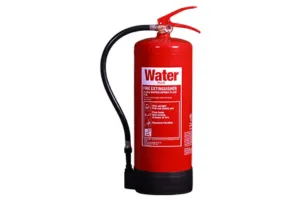
Water
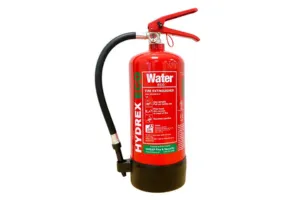
Water ECO
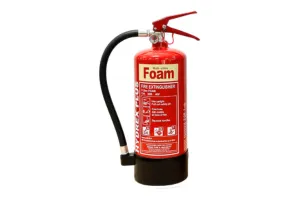
Hydrex Plus Multi-Foam
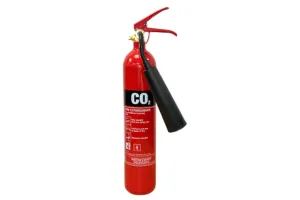
CO2
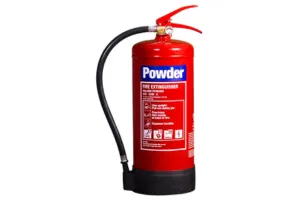
Dry Powder
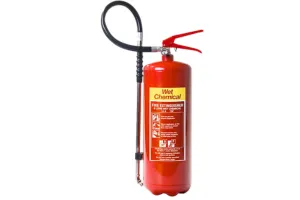
Wet Chemical
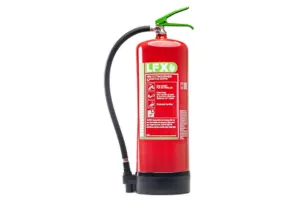
Lithium-Ion
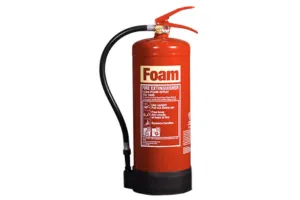
Foam
Accredited to the Highest Industry Standards
We work with several third-party bodies to ensure we work to the highest industry standards.




Let's build a safer, smarter future
Our friendly team are on hand Monday to Friday from 8am to 5pm to help with any queries or enquiries you may have.