



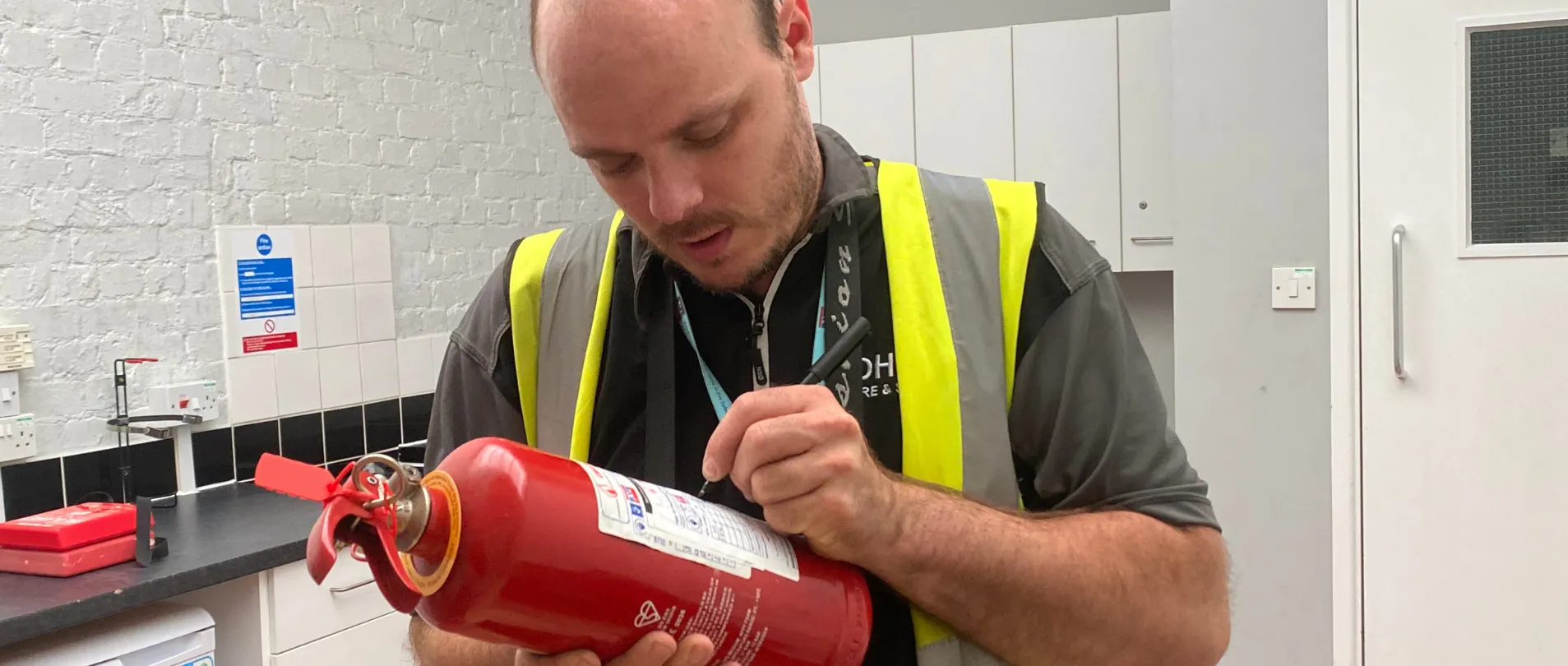
Lithium-Ion Fire Extinguishers
Protect against Class L caused by broken lithium-ion batteries.
Request a Call Back
Our engineers handle your quote directly, and we'll reply within 24 hours.
Ensure your lithium battery fire extinguisher is always ready when you need it by checking it regularly. Monthly in-house checks should be conducted by you. We can then ensure that it is sited correctly, still has an anti-tamper device fitted and any gauge is reading correctly.
Lithium-Ion Fire Extinguisher FactSheet

Fire Class
Lithium-ion battery fires are defined as Class L fires. An li-ion fire extinguisher or fire blanket is suitable for defected lithium-ion batteries that are prone to overheating and combustion.

Suitability
A lithium battery fire extinguisher is ideal for premises with waste management facilities, energy storage, transport or aviation, logistics, factories and motorsport industries. (Please consult your Fire Risk Assessment to see if they are suitable for you premises)

Servicing
A lithium battery fire extinguisher needs to be serviced annually.
Lithium-Ion Fire Extinguisher FAQs
What is a lithium-ion fire extinguisher?
Specialist fire extinguishers designed to be used on Class L fires.
Note, Class L fires are incredibly dangerous. They burn at high temperatures, are prone to reignition and can potentially release toxic gas. This means lithium-ion fire extinguishers must only be used on small, contained Class L fires at the earliest stage of ignition. If a Class L fire is left to burn, it will become too dangerous to put out and building occupants must instead evacuate.
Why do lithium batteries catch fire?
Lithium-ion battery cells combine a flammable electrolyte with significant stored energy, and if a lithium-ion battery cell creates more heat than it can effectively disperse, it can lead to a rapid uncontrolled release of heat energy, known as ‘thermal runaway’, that can result in a fire or explosion.
Thermal runaway can be caused by a number reasons, including an internal short circuit due to manufacturing defects, ’lithium plating’ (formation of metallic lithium on an anode surface within a battery cell), or mechanical damage (e.g. piercing, dropping). Other possible causes of thermal runaway are exposure to heat from an external source or overcharging/over-discharging.
Types of Fire Extinguishers
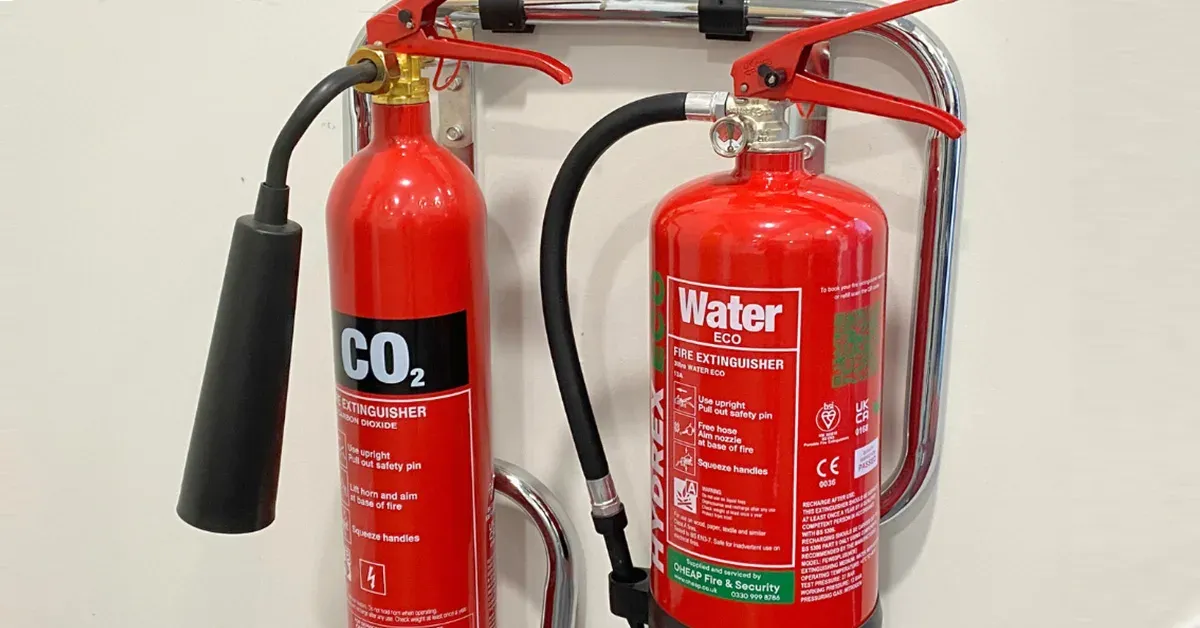
Each fire extinguisher type has a unique agent inside which is specifically designed to combat a different type of fire risk. Click on each extinguisher image below and discover how each type should be used.
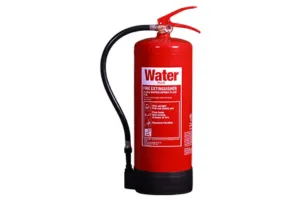
Water
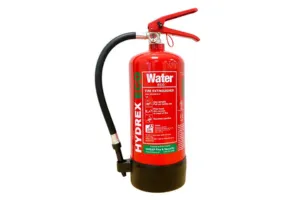
Water ECO
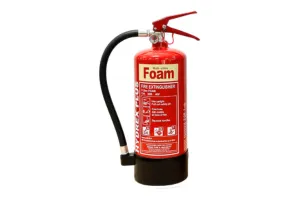
Hydrex Plus Multi-Foam
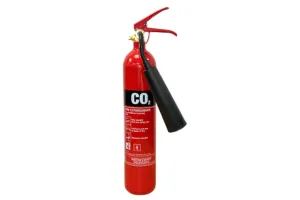
CO2
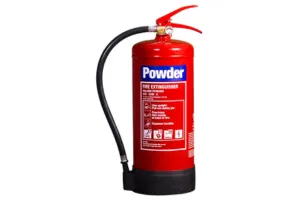
Dry Powder
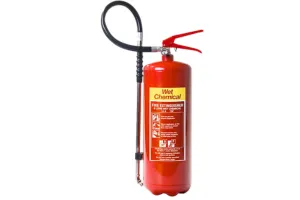
Wet Chemical
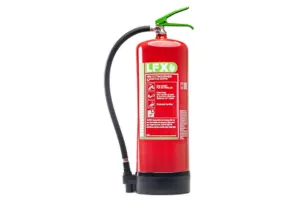
Lithium-Ion
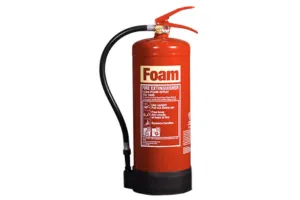
Foam
Accredited to the Highest Industry Standards
We work with several third-party bodies to ensure we work to the highest industry standards.




Let's build a safer, smarter future
Our friendly team are on hand Monday to Friday from 8am to 5pm to help with any queries or enquiries you may have.