



Overview
Current UK fire door regulations set out the responsibilities of Responsible Persons for inspecting, maintaining and managing fire doors in certain residential buildings. Understanding fire door regulations is essential for protecting occupants, meeting legal requirements and ensuring fire doors continue to perform as intended. This guide explains the latest guidance, inspection requirements and best practices for maintaining compliance.
Current UK fire door regulations require Responsible Persons and landlords of certain residential buildings to inspect, maintain and manage fire doors as part of their ongoing fire safety responsibilities. The requirements introduced in January 2023 under the Fire Safety (England) Regulations 2022 strengthened fire door regulations, placing greater emphasis on regular inspections, maintenance and clear procedures.
One of the most significant aspects of the regulations is the requirement for routine fire door inspections and a clearer understanding of who is responsible for ensuring compliance. The guidance also distinguishes between different types of residential properties, with specific requirements applying to purpose-built blocks of flats that differ from those for individual homes.
 What do Current Fire Door Regulations Require?
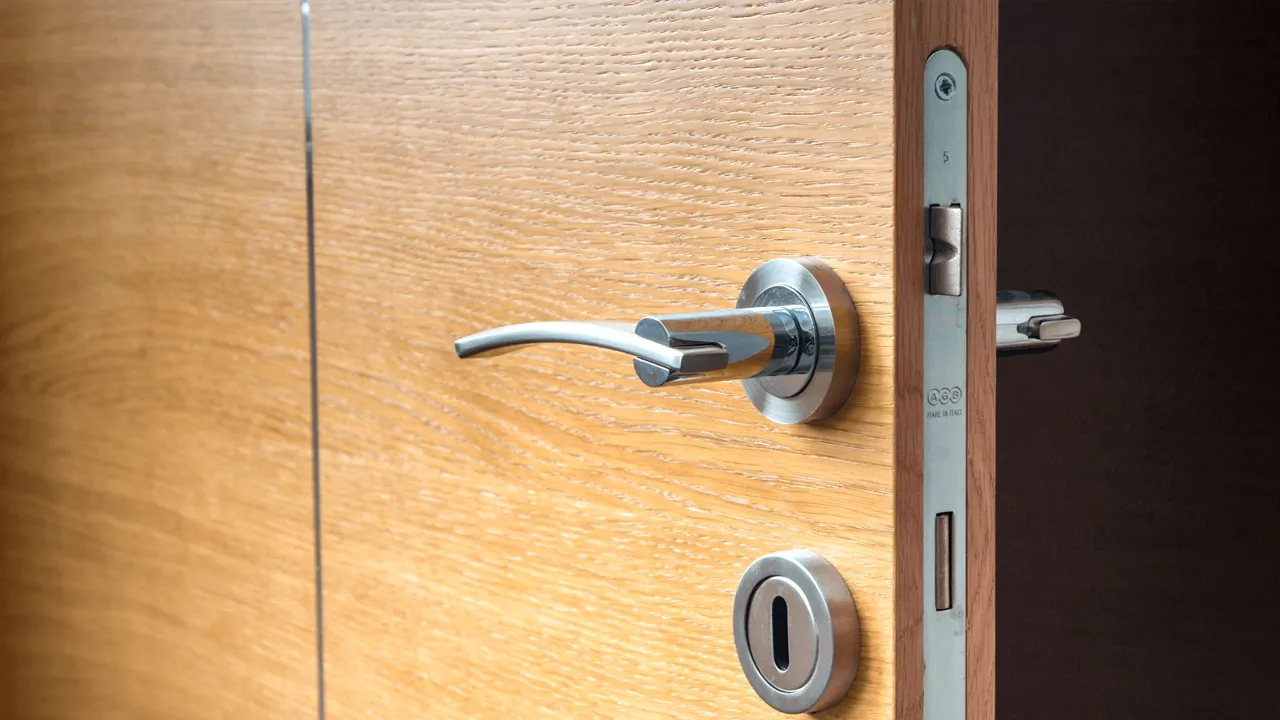
The Fire Safety (England) Regulations 2022, which came into force on 23 January 2023, introduced additional responsibilities for Responsible Persons managing certain residential buildings in England. The regulations apply to the common parts of multi-occupied residential buildings over 11 metres in height, as well as buildings containing workplaces where relevant fire safety legislation applies.
The regulations place greater emphasis on understanding fire door regulations, carrying out regular fire door inspections and ensuring occupants are supported with appropriate fire safety information. Responsible Persons should also familiarise themselves with the latest guidance to help maintain compliance and protect building occupants.
For multi-occupied residential buildings over 11 metres tall, Responsible Persons are legally required to:
Inspect all fire doors (including self-closing devices) in communal areas at least once every three months.
Carry out annual checks, on a best-efforts basis, of all flat entrance doors (including self-closing devices) that open onto communal areas.
Maintain fire doors to ensure they remain in good working order and continue to perform as intended in the event of a fire.
Regular inspections help ensure fire doors remain compliant with current UK fire door regulations, with particular attention given to self-closing devices, seals, glazing and the overall condition of the fire door.
 Minimum Requirements for Checking Fire Doors
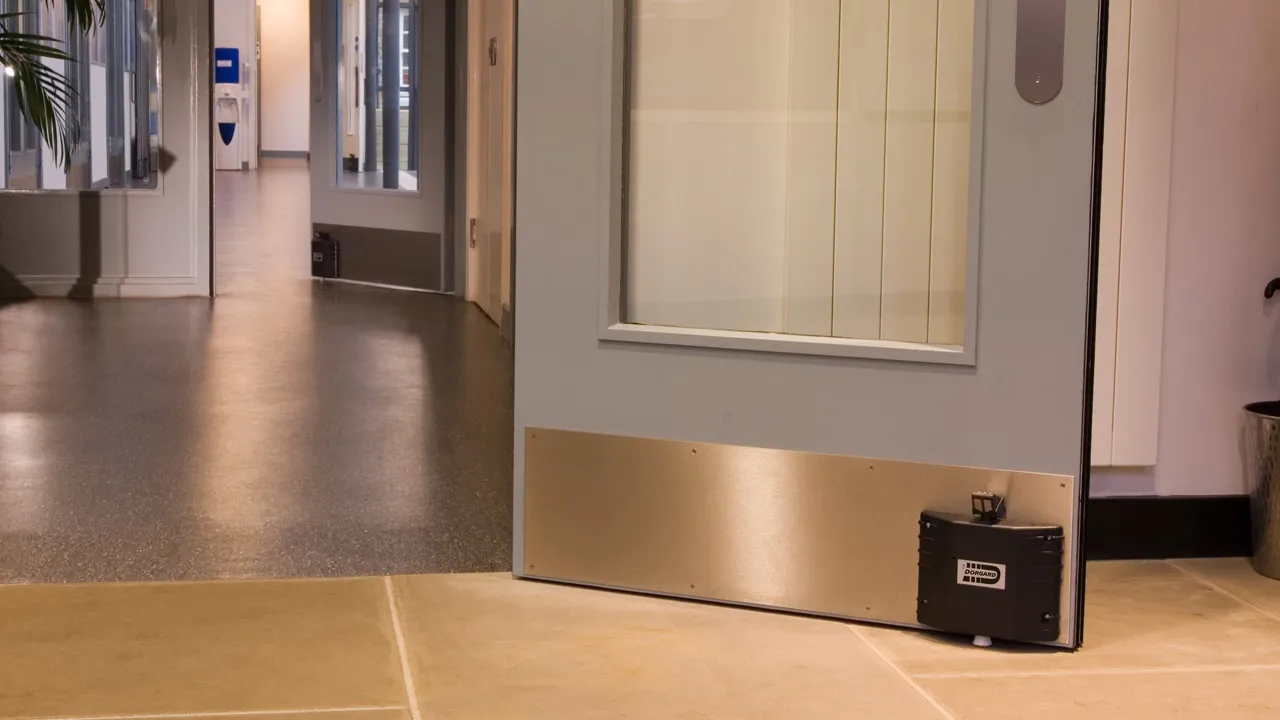
Routine inspections are an essential part of complying with current UK fire door regulations. During an inspection, the Responsible Person should check that each fire door remains in good condition, operates correctly and continues to provide the level of protection it was designed to achieve.
When inspecting a fire door, you should check for:
Any damage, alterations or signs of excessive wear and tear.
Gaps around the door, frame and seals that could affect its performance.
Correctly fitted hinges, hardware and intumescent seals.
A self-closing device that fully closes the door without sticking.
A door that closes securely against the frame with no excessive gaps.
Any visible damage to the door leaf, frame, glazing or door closer.
If a fire door is found to be damaged or is not operating correctly, it should be repaired or replaced promptly to maintain compliance with fire door regulations and ensure it can perform effectively in the event of a fire.
Access to Flat Entrance Doors
Responsible Persons should make reasonable efforts to gain access to flat entrance doors when annual inspections are required. Residents should be encouraged to provide access, and where access cannot be obtained, records should be kept of all attempts to arrange an inspection, including correspondence with occupants.
How Have Fire Door Regulations Been Shaped?
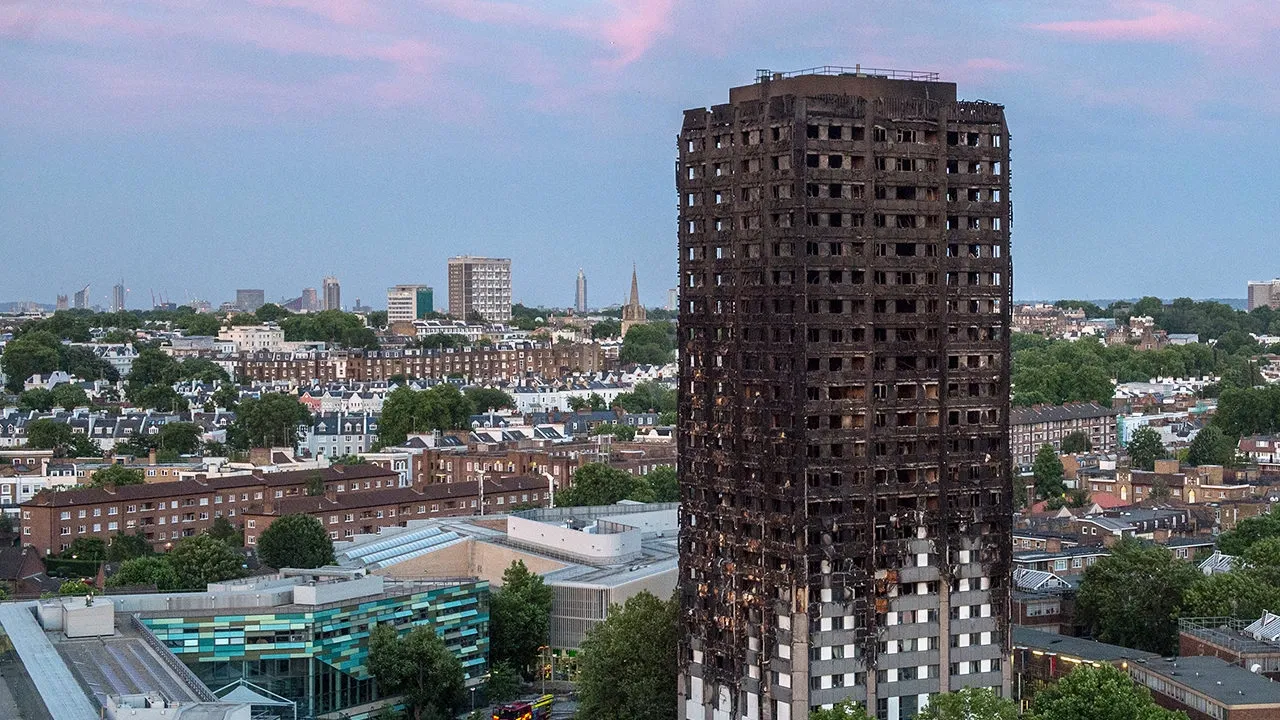
Current fire door regulations have been shaped by lessons learned from major fire incidents, including the Grenfell Tower tragedy. The Grenfell Tower Inquiry highlighted the vital role that fire doors play in slowing the spread of fire, smoke and toxic gases, helping to preserve compartmentation and protect escape routes.
The Inquiry found that some fire doors at Grenfell Tower had deteriorated or become damaged over time, meaning they were unable to perform their intended function during the fire. This reinforced the importance of regular inspections, maintenance and prompt repairs to ensure fire doors remain effective throughout their service life.
Tip: Using a simple fire door inspection checklist can help Responsible Persons maintain consistent records and demonstrate ongoing compliance with fire safety legislation.
 Conclusion
Current UK fire door regulations are designed to improve building safety by ensuring fire doors are regularly inspected, maintained and able to perform their intended role during an emergency. Understanding your responsibilities as a Responsible Person and taking a proactive approach to fire door compliance is essential for protecting occupants, preserving property and meeting your legal obligations.
The Grenfell Tower Inquiry reinforced the importance of effective fire safety management and the vital role fire doors play in slowing the spread of fire and smoke. By carrying out regular inspections, addressing defects promptly and following current fire door regulations, Responsible Persons can help create safer buildings and maintain compliance with the latest fire safety requirements.
Expert takeaways
- Current UK fire door regulations set out the responsibilities of Responsible Persons for inspecting, maintaining and managing fire doors.
- All fire door regulations are designed to improve the safety of passive fire protection systems.
- Current UK regulations have been shaped by the Grenfell Tower tragedy.